New to Guided Imagery? Start here.
Have you ever heard of guided imagery? Athletes use it to imagine future victory and successful game play. It not only can help improve performance, but also bring calmness, new insights, empowering takeaways, and relief from emotional overwhelm.
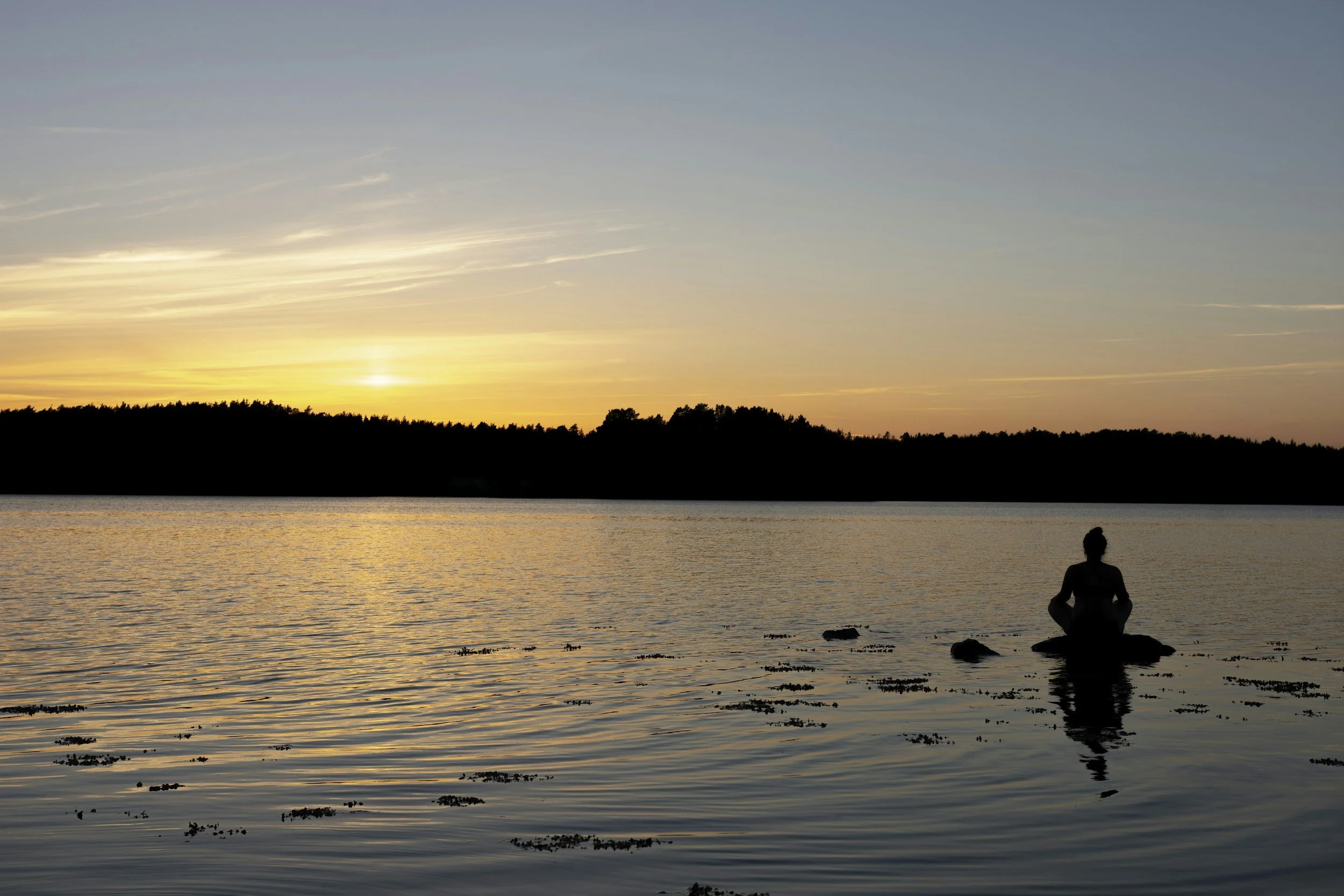
Guided Imagery has been used as a healing modality for thousands of years. Imagery is an intuitive process that involves bringing attention to our internal environment through use of deep relaxation techniques and imaginative expression. The practice is comprised of progressive relaxation, deep listening, and powerful open-ended questions that can evoke healing messages and soothing physiological responses in the body. The process involves having dialogue with images and dream figures that emerge from our truest nature to offer fresh perspectives and healing insights (Davenport, 2019). Davenport says, “these images are the natural expression of our intuition, unconscious mind, and deepest self”. The use of imagination offers wisdom and healing to everyone regardless of individual experiences, beliefs, lifestyle, temperament, race, or age. Knowing that our external environment greatly influences our emotional, cognitive, aesthetic, and spiritual health, it is beneficial to consider our inherent relationship to nature during the transformative imagery experience.
Simply experiencing an imagery session helps bring clarity to the process, and introduces the concept of continually utilizing the power of the imagination as a mental and emotional health resource. A session begins with several minutes of deep relaxation and breathing techniques that create room to engage with the imagination. The wonder has been described as a much-needed welcome home. It’s about meeting ourselves where we are, noticing what’s going on in our mind, and what sensations are being experienced in the body, without judgment. It’s about noticing the thoughts, emotions, and images alive in the present moment, and maybe gently leaning into the creation of a pathway forward that feels relieving, more aligned, energizing and insightful, or perspective shifting. A way that is true and unique to individual experience.
Some things to consider with guided imagery:
· Acknowledge any questions or concerns, and discuss them with your certified practitioner.
· Know that there is uncertainty of unknown outcomes. Unexpected images, emotions, and thoughts can arise during a session.
· There is documented research on guided imagery. Check out the science.
· Imagery practice, and the strengthening of neurological pathways can be compared to physical practice and muscle memory.
· Some people experience “imagine worrying”. Understand that no imagery needs to be forced. We want images to naturally arise. In some cases, just a word, color, shape or feeling come up.
· Be optimistic- this is an opportunity to make more room for possibilities, new inner resources, and fresh perspectives.
It’s important to normalize imagery as part of the natural human experience. We all think in images. Try this. Close your eyes and count how many windows are in your house. In your mind’s eye, you walk through your house and count the windows. Visualizations can be applied to a variety of situations, depending on personal lifestyle and interests.
Check out the free guided imagery recordings on the website.
Be well. B